

 Facebook
 X
X
 Pinterest
 Copy Link


A curious squirrel posing for the camera inside Leisure Village 55+ community in Camarillo. Photo by Diane Schweers.
Ventura County Real Estate Trends to Watch in 2026
Ventura County’s housing market in 2026 is best described as steady—but selective. Buyers are more payment-conscious than they were during the ultra-competitive years, while sellers are discovering that pricing and presentation matter more than ever. Countywide numbers show a market that’s moving, but not rushing: Redfin reports a median sale price of about $856K in January 2026, with homes averaging 67 days on market. Zillow’s snapshot is similar on pricing—showing typical values around $862K—while also highlighting that properties are going pending in roughly 32 days on average (which can reflect stronger demand in well-priced segments). [redfin.com] [zillow.com]
So what should buyers, sellers, and homeowners pay attention to this year? Here are the top trends shaping Ventura County real estate right now.
1) A “micro-market” year: neighborhood and condition matter more than county averages
In 2026, broad headlines won’t tell the whole story. Even within Ventura County, momentum can vary dramatically by city, neighborhood, school district, and property type. For example, a move-in-ready home in a high-demand pocket can still move quickly, while a home that feels dated—or is priced like it’s 2021—may linger.
That “selective” dynamic is showing up in local reporting too. A Ventura County market update published in early January 2026 describes the market as active, competitive in pockets, and increasingly selective, noting that inventory typically lifts after the holidays and negotiations become more sensitive to pricing, condition, and financing terms. [zacsellsca.com]
What to watch:
- Homes that are turnkey vs. fixer (the gap in buyer interest can be wide)
- Neighborhood-level inventory changes (not just countywide)
- Price reductions (often a signal of misalignment with today’s buyers)
2) Mortgage rates: small changes can shift buyer demand quickly
California’s statewide outlook expects slightly improved affordability in 2026, supported by moderating mortgage rates and modest inventory growth. Industry forecasting also suggests rates hover in the low-to-mid 6% range in 2026; the MBA’s forecast materials show the 30-year fixed rate around the low 6% range depending on the quarter. [car.org] [mba.org]
Why this matters in Ventura County: when rates dip, more buyers re-enter—especially in mid-to-upper price bands where payments change dramatically with even a small rate movement.
What to watch:
- Buyer activity surges when rates fall (more showings + stronger offers)
- Sellers may need sharper strategy when rates rise (concessions, buydowns, better prep)
3) Inventory is improving—giving buyers more choice, and rewarding realistic sellers
Ventura County inventory metrics vary by source, but the direction is important: buyers have more options than during the tightest years, and sellers no longer automatically “get away” with overpricing. Zillow’s Ventura County page shows for-sale inventory and new listings tracked at the end of January 2026. Redfin also notes a slight year-over-year change in sales volume alongside the current pricing and days-on-market picture. [zillow.com] [redfin.com]
What to watch:
- Months of supply (a key indicator of leverage)
- Whether new listings outpace pending sales (more negotiating room for buyers)
4) Insurance is becoming a bigger real estate variable (yes, even in “regular” escrows)
Across California, homeowners insurance availability and cost have become a major housing friction point, and that can spill into Ventura County transactions depending on property location, risk scoring, and carrier appetite.
Multiple reports describe how insurer pullbacks and wildfire risk have increased reliance on the California FAIR Plan, along with rising costs and policy constraints. Practical takeaway: insurance shopping is no longer a last-week-of-escrow task in many California deals—buyers are starting earlier to avoid delays or surprise denials. (This is widely discussed in industry reporting on CA insurance conditions.) [mckinsey.com], [insurancejournal.com] [housing.info]
What to watch:
- Buyer timelines: earlier insurance quotes can prevent escrow surprises
- Seller prep: documentation of upgrades (roof, electrical, mitigation) may help underwriting conversations
5) Buyer preferences in 2026: comfort, efficiency, and “move-in-ready”
Design and feature trends are also steering demand. In 2026, buyers continue to prioritize energy efficiency and functional, livable upgrades—including solar, EV charging, smart thermostats, and updated kitchens. This aligns with what many agents are seeing: turnkey homes photograph better, show better, and reduce buyer fear around renovation costs. [2026-home-…uyers-love | Word]
What to watch:
- Energy-efficient features (often a differentiator in listings and appraisals)
- Low-maintenance upgrades that reduce “to-do list” anxiety for buyers
6) 55+ demand remains important—especially for communities like Leisure Village (Camarillo)
Ventura County continues to attract downsizers and active adults who want lower-maintenance living and community amenities. A hyper-local content plan (and your own marketing pipeline) benefits from spotlighting places like Leisure Village (55+)—a community that’s frequently searched by retirees, relocating buyers, and families helping parents’ transition.
In 2026, the 55+ buyer segment can be especially sensitive to:
- Total monthly payment (including HOA)
- Insurance stability
- “Turnkey” condition (many prefer to avoid remodel projects)

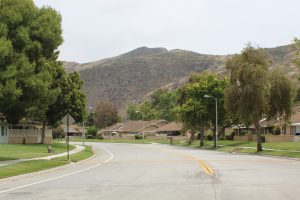
Leisure Village in Camarillo—one of Ventura County’s most popular 55+ communities for low-maintenance living and active adult lifestyles.
What to watch:
- HOA + insurance + property taxes as one combined affordability conversation
- Demand spikes when rates soften (more equity-driven movers step forward)
7) Practical strategy: what this means if you’re buying or selling in 2026
If you’re buying:
With more inventory and longer timelines in some segments, you may have more negotiating room than in recent years—especially on homes that need work or are priced aggressively. Countywide figures show longer days on market than last year (Redfin’s January comparison), which can translate into leverage when you’re prepared and well-advised. [redfin.com]
If you’re selling:
Today’s market rewards sellers who do three things well:
- price based on current comps (not peak-era pricing)
- present the home as move-in-ready where possible
- make financing easier (clear disclosures, clean condition, and—when relevant—insurance readiness)
Closing Thought
Ventura County real estate in 2026 isn’t about guessing the future—it’s about reading the signals: mortgage-rate shifts, neighborhood-level inventory, buyer preferences for efficiency and turnkey condition, and the growing role of insurance. The opportunities are absolutely still here—but the winners this year will be the people who plan thoughtfully and move strategically.
disclaimer/disclosure: “Content generated with AI support, content generated with AI assistance. “

